
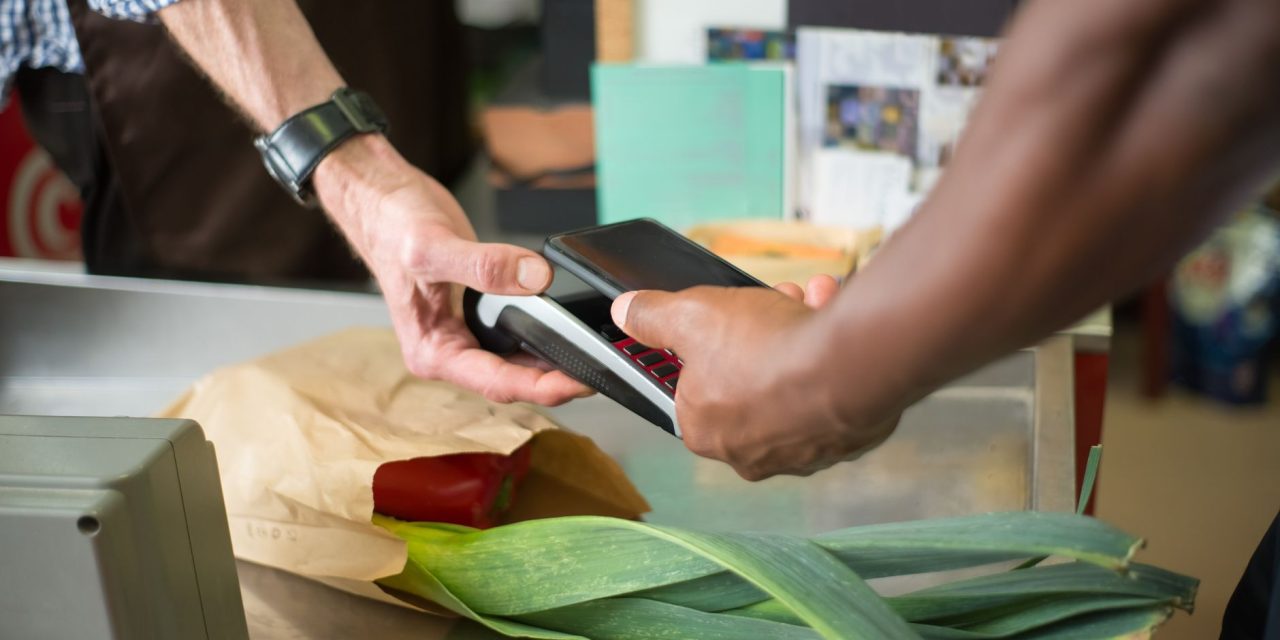
Meta has added Loblaw as the first Canadian retail partner for Muse and rolled Muse’s real‑time voice to Canada — a concrete step toward conversational commerce that directly affects how retailers handle product data, checkout flows and voice UX.
What this update actually enables
Loblaw’s catalogue is now available to Muse through a partner connector. That lets Canadian shoppers ask Muse to plan meals, assemble a shopping basket and complete checkout without leaving the Muse app. Muse can retain shopper preferences such as favourite brands and food allergies to speed repeat orders.
Meta also highlights connectors to common consumer apps — Gmail, Google Calendar and Instagram — so Muse can draw on calendar events, saved content and messages when assisting with everyday tasks.
Voice in Canada and the new “spaces” feature
Muse’s real‑time voice conversations are now available in Canada on mobile, web and Mac. To start a voice session, users tap the phone icon in the top‑right corner of the Muse app. An avatar reacts during the conversation and users can choose voice‑only, avatar alongside the chat, or a full‑screen face‑to‑face view.
Separately, Muse introduced “spaces”: persistent, customizable experiences inside the app (for example, a holiday gift tracker, a weekly planner or a project board). Spaces can connect to the apps a user already uses and update in the background so calendar events, price changes or progress indicators appear without a fresh prompt. Users decide where spaces appear in their app layout and can schedule when each space is visible.
Muse voice walkthrough
Muse spaces demo
Security and consent as described by Meta
Meta says Muse runs on a “Muse Secure VM,” a dedicated cloud environment that stores the credentials for connected services while keeping passwords and payment details out of the agent’s view. Users choose what their Muse can access, and the assistant requests confirmation before performing sensitive actions such as sending an email or making a purchase. Meta has published a post explaining its safety design in more detail.
Why marketers and retailers should care
A platform assistant that can access retailer catalogues, remember preferences and finish purchases shortens the path from intent to transaction. That creates a new high‑intent touchpoint where product metadata, personalization and checkout must be reliable and privacy‑aware.
Practical implications for marketing and e‑commerce teams:
- Product data now drives conversational discovery. Accurate SKUs, images, up‑to‑date pricing and clear substitution rules reduce failed orders and customer friction.
- Personalization rules must be explicit. Decide which signals (brand preferences, allergies, dietary restrictions) the assistant should honor and how those preferences affect ordering and substitutions.
- Voice changes interaction design. Short confirmations, unambiguous status responses and spoken receipts help avoid costly misunderstandings in audio flows.
- Permissions and billing need clear UX. Customers must understand what the assistant can access and when it will act on their behalf, especially for payments and loyalty data.
Actionable next steps
- Inventory readiness: ensure catalogue data and SKU mappings are complete and pushed to any connector schema required by the platform.
- Define personalization guardrails: map user signals to ordering, substitution and fulfillment logic.
- Test voice flows: validate confirmations, order summaries and error recovery for spoken interactions as well as typed ones.
- Audit consent and payment UX: make permissions explicit, log consent events and test the checkout handoff for attribution and reconciliation.
What to watch next: whether other Canadian retailers sign on, how Muse’s checkout and attribution are measured, and whether regulators or payment networks impose new rules for AI‑mediated purchases. For now, the Loblaw connector is an operational test: success will hinge on catalogue accuracy, clear consent and voice‑aware UX more than on novelty.