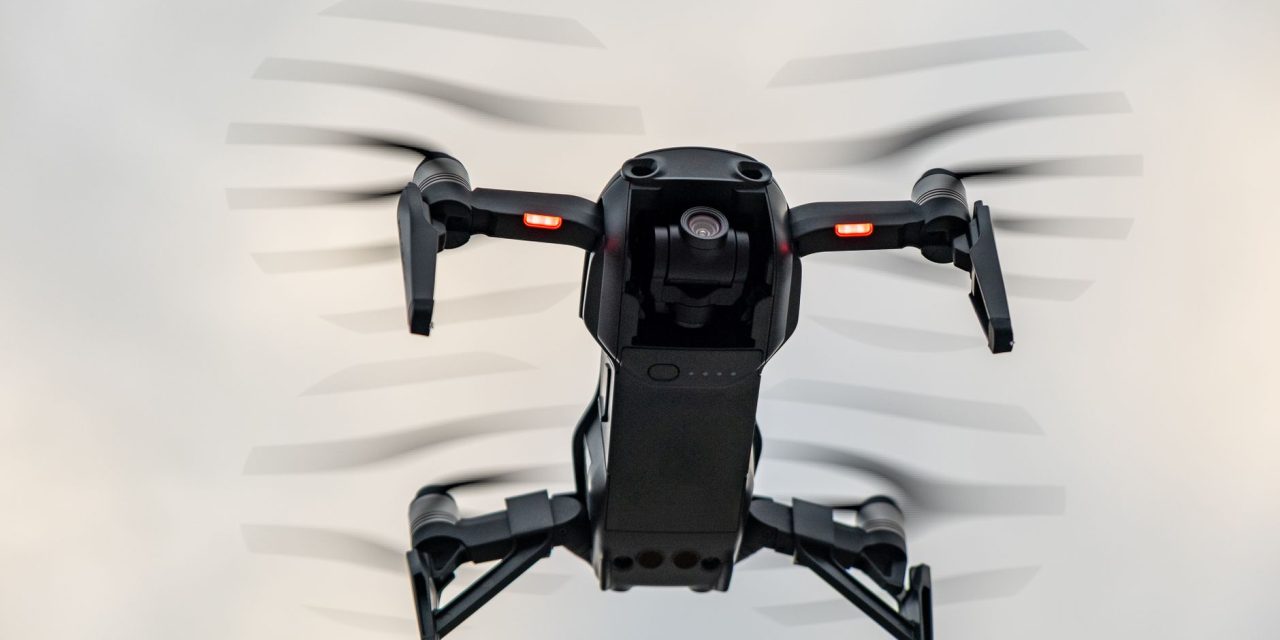
Lowe’s has started a pilot that delivers online orders by drone from a local store, promising selected items in as little as 20 minutes. The program, launched at a Lowe’s in Matthews, North Carolina, pairs DoorDash’s ordering marketplace with Wing — Alphabet’s drone unit — to test airborne last‑mile fulfillment from a store footprint rather than a centralized warehouse.
How the pilot works
Customers place orders for eligible Lowe’s products through the DoorDash app; Wing handles the final‑mile flights. Lowe’s says the pilot covers a curated set of more than 100 SKUs, focused on compact, frequently needed items: all‑purpose cleaner, caulk, hand tools, household batteries, painter’s tape, screwdrivers and soap, among others.
The retailer stages drone dispatch areas at the Matthews store, using the location as a micro‑fulfillment hub. That lets Lowe’s integrate DoorDash marketplace demand into a drone workflow while keeping inventory and pick‑and‑pack activity within the store footprint.
“Home improvement is an inherently friction‑filled experience,” said Seemantini Godbole, chief information and AI officer at Lowe’s. “Any technology we implement is designed to eliminate that friction so our customers can complete their projects quickly. By piloting drone delivery, we’re addressing a real project pain point with an innovative solution that is integrated into the retail journey, giving our hometown customers next‑generation fulfillment right when they need it.”
Why this matters to e‑commerce and operations teams
The pilot signals a practical test of store‑based aerial delivery that shifts some last‑mile activity away from regional distribution centers. Operationally, that changes how stores are used: they become staging points not only for curbside pickup and BOPIS but also for drone dispatch, which affects store layout, inventory placement and pick‑and‑pack workflows.
Inventory decisions are part tactical, part commercial. Lowe’s SKU selection — small, lightweight, frequently consumed products — reflects where drone delivery makes immediate sense: items that solve an active project pain point and fit a drone payload and delivery envelope. Heavier or bulkier goods will likely remain on existing fulfillment rails.
The partnership model also matters. Lowe’s is combining DoorDash’s consumer demand and ordering interface with Wing’s drone operations rather than building its own aviation infrastructure. That reduces upfront capital for the retailer but ties customer experience and reliability to third‑party systems and regulatory permissions handled by partners.
Context and what to watch next
The drone test complements Lowe’s other technology investments. The retailer cited its Mylow customer AI assistant and Mylow Companion for store associates, noting the two tools have answered more than 25 million customer questions since their 2025 launch.
Key indicators that will determine whether this remains a localized test or scales are straightforward: delivery reliability, unit cost per delivery, customer uptake and any expansion of eligible SKUs or geographic coverage. Lowe’s has not disclosed those performance metrics yet. Local regulatory permissions and community acceptance will also shape rollout decisions.
For retailers, agencies and logistics teams watching last‑mile innovation, Lowe’s Matthews pilot is a concrete example of how an established chain can add a new fulfillment lane without rebuilding core logistics. It shows a practical option for faster delivery of small, high‑urgency items by combining marketplace ordering with third‑party drone technology and store‑based staging.
What to watch next: whether Lowe’s publishes public performance metrics from the Matthews pilot; any SKU or geographic expansion; and disclosure of cost and customer‑satisfaction figures that would clarify the commercial viability of retail drone delivery.