
Gordon Companies Inc., the family-run owner of Christmas Central, Christmas.com and Northlight, filed for Chapter 11 bankruptcy protection on Sept. 18, 2026 — a matter of days before the retail holiday peak. The timing turns what is normally a seasonal operational challenge into an immediate supply-chain and marketplace risk for retailers, carriers and brands that rely on Gordon’s inventory.
Filing snapshot: scale, creditors and operations
The voluntary petition filed in the U.S. Bankruptcy Court for the Western District of New York lists both assets and liabilities in the $10 million–$50 million range and between 200 and 999 creditors. Among the 20 largest unsecured claimants are parcel carriers FedEx and UPS.
Founded in 1977 and still family-operated, Gordon reports roughly 350 associates and more than 400,000 square feet of warehouse and distribution space. Its public materials identify retail partners that have carried or listed Gordon’s products, including Target, Kohl’s, Home Depot, Walmart, Amazon, Lowe’s and Michaels.
Technology failure is central to the company’s claims
Gordon’s petition arrives alongside an amended complaint the company filed this month against Vision33, an SAP reseller and implementation partner. Gordon says it paid Vision33 more than $2 million for an ordering and warehouse operations system that “never performed the function for which it was bought.”
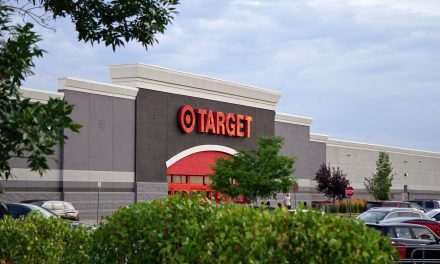
The complaint recounts years of operational strain after the system’s rollout. Gordon and Vision33 began working together in 2017; Gordon says it abandoned the system in 2021. According to the filing, the technology failed to keep pace with peak-season order volume, forced the company to suspend sales on some marketplace channels, and led at least one major retail partner, Target, to impose a one-week shipping delay on Gordon’s listings.
Why retailers, marketplaces and suppliers should act now
For e-commerce managers and supply-chain teams, the filing highlights two concrete vulnerabilities. First, critical order-routing, inventory visibility and carrier-integration systems can become single points of failure during peak windows. Second, a supplier’s Chapter 11 process can directly disrupt assortments and fulfillment: expect delayed shipments, suspended listings and possible inventory shortfalls tied to the debtor’s brands.
Carriers and vendors listed among the largest unsecured claimants will be parties in the bankruptcy and may use the court process to assert or protect claims. Retail partners that currently list Gordon’s products should treat availability and lead-time signals about those SKUs as high-priority operational alerts.
Practical next steps for partners and marketplace operators
- Monitor court filings for notices about debtor-in-possession financing, asset-sales motions or timelines that affect fulfillment capacity.
- Audit live listings and automated lead-time data for Gordon-owned brands; flag any sudden changes in shipping estimates or inventory status.
- Talk to category suppliers and marketplace operations teams about contingency sourcing or temporary delisting criteria if fulfillment degrades.
- For logistics and vendor partners: document outstanding claims promptly and watch for deadline notices in the bankruptcy docket.
Gordon’s petition gives an initial picture but not a restructuring roadmap. The amended Vision33 complaint introduces litigation that could affect creditor recoveries and timing. What matters now is monitoring the court docket and treating availability signals from Gordon’s channels as operational risk triggers for the upcoming peak season.