
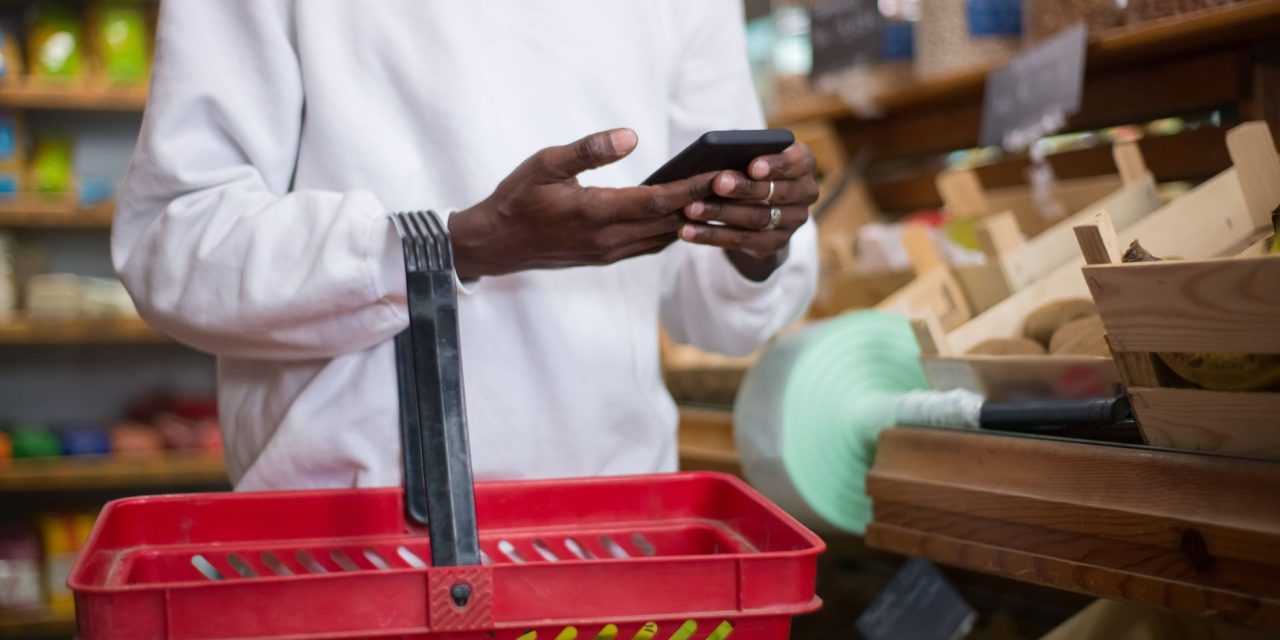
Kroger has launched the Kroger Rewards World Elite Mastercard, a co‑branded card built with fintech platform Imprint and Mastercard that deliberately prioritizes online and in‑app purchases. With up to 5X points on orders placed via Kroger.com and the Kroger app, a $100 welcome bonus and a bundled free Boost delivery membership, the product is designed to push habitual grocery spending onto channels Kroger controls—and to capture the first‑party data that comes with it.
Card mechanics: higher rewards for digital orders
The card offers elevated rewards for digital purchases—up to 5X points on Kroger.com and the Kroger app—while applying lower, tiered rates for in‑store purchases, fuel, dining and travel. It also connects directly into Kroger’s existing loyalty ecosystem and includes a $100 welcome bonus.
Imprint provides the fintech infrastructure; Kroger positions the product as a daily payment option that rewards shopping across its channels. Kroger’s announcement highlights savings and convenience but does not disclose the issuing bank, interest rates or full fee schedule—details that could affect consumer adoption once made public.
Why Kroger is pushing the app
Moving customers from in‑store aisles to the app is a strategic play. Digital orders give Kroger visibility into every basket, enable tighter personalization and reduce reliance on third‑party platforms. Experts quoted in the reporting emphasize that Kroger controls the customer experience when it owns the app, the card and the data; the bank that issues the card becomes plumbing behind Kroger’s relationship.
Serhii Nikolaichuk, founder and CEO of The Capital Index, points to a longer horizon: if grocery reorders are automated by future AI shopping assistants, the default payment method and loyalty rules stored in Kroger’s app could steer recurring spend to Kroger. That potential—rather than the immediate swipe—underpins much of the strategic value.
Who gains and who should be cautious
The rewards structure favors households already anchored to Kroger—those who shop, fill up at Kroger fuel stations and redeem points within Kroger’s ecosystem. For these customers, the card’s tailored benefits could beat a generic cash‑back card. Shoppers who frequently split purchases across multiple retailers may still prefer a simple cash‑back product.
Francesco Onorato, director of growth at Brandmovers, called Kroger’s tie between the card and its loyalty program smart, but he stressed that the strategy’s success depends on the quality of the digital shopping experience. Higher rewards and free delivery will only shift behavior if the app reliably delivers personalization, speed and value.
What marketers, product teams and agencies should watch
For digital commerce and marketing teams, the relevant signals to track are clear: sign‑up and activation rates for the new card, the rate at which cardholders switch to app and online ordering, and retention of those behaviors over time. Equally important are the terms Kroger publishes—APR, fees, reward caps and redemption rules—which will shape who participates.
Kroger’s launch is a reminder that payments are now a strategic lever in retail loyalty. The immediate metric is app adoption; the strategic prize is becoming the default merchant when automated tools handle routine grocery reorders.
What to watch next: the card’s public terms, early enrollment metrics, and whether Kroger starts testing tighter personalization or automated reorder features that exploit the card‑app‑data loop.