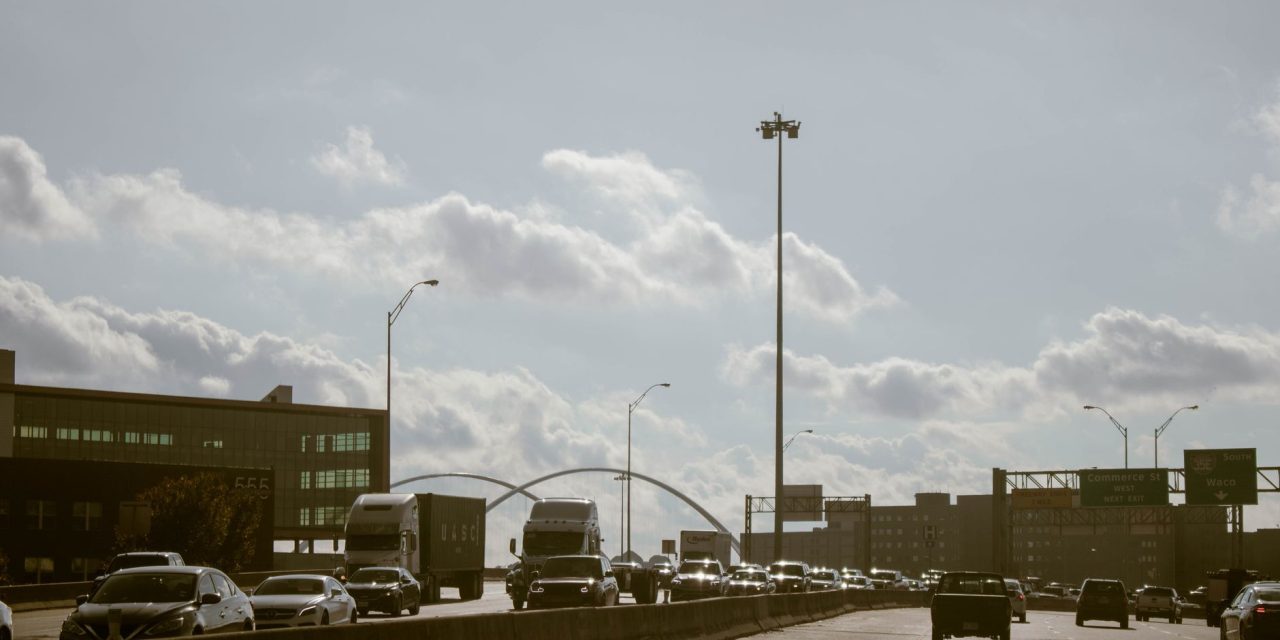
Ikea will shift a long‑running pilot into fully driverless highway operations in Texas later this year, deploying Kodiak’s autonomous driving system on a roughly 220‑mile interstate segment between the Houston and Dallas metro areas. That highway leg is part of a nearly 300‑mile route moving goods from Ikea’s Baytown distribution center to its store in Frisco — a commercial test with clear operational and cost implications for retailers that move freight at scale.
The move follows four years of joint testing that began as a three‑month trial. Kodiak says its trucks carried more than 1,300 Ikea loads and logged over 750,000 autonomous miles during that period, operating “without incident” and maintaining a “nearly perfect” on‑time record, per company statements. Turning that accumulated experience into unsupervised runs is the next step.
How Kodiak is preparing to remove the safety driver
Kodiak supplies the autonomous stack known as the Kodiak Driver — AI software combined with modular hardware — and sells it through a Driver‑as‑a‑Service model. The company reports it has run the Texas lane day and night, in varied weather, and is now completing a final testing phase before removing safety drivers for the interstate segment.
Recent updates say Kodiak trucks have been completing deliveries between a Lancaster, Texas hub and Houston since August without a driver taking control, including operations on surface streets. Kodiak also conducts closed‑course tests to recreate rare or high‑risk events it does not want to stage on public roads.
Kodiak already operates driverless in an industrial setting: since December 2024, Atlas Energy Solutions has used customer‑owned trucks equipped with the Kodiak Driver in the Permian Basin. As of June, Kodiak reported 35 Atlas trucks had logged more than 40,000 hours of paid driverless operations — evidence the company can sustain continuous, supervised‑to‑unsupervised use cases in controlled environments.
What the deployment could mean for Ikea and other retailers
Moving a driverless system from industrial sites to a major interstate corridor tests whether autonomy can integrate with real‑world retail logistics: scheduling departures, coordinating dock operations, and using vehicle data for predictive maintenance. Kodiak says the multi‑year pilot taught it how to fold autonomous trucks into Ikea’s existing workflows — a necessary step before claiming production‑grade benefits.
Ikea’s broader network has already experimented with similar technology. Ingka Group, Ikea’s largest franchisee that operates the U.S. retail business, permanently adopted self‑driving electric vehicles at a Hefei, China operation after testing. Ingka reported those vehicles covered about 75,600 kilometers (roughly 47,000 miles), reduced average pickup wait times from six hours to two, and lowered inter‑location transportation costs by more than 50% during the trial.
Those results point to potential gains: lower labor components in transit, tighter delivery windows, and improved dock throughput. But the economics depend on route length, frequency and fleet scale. A 2026 study from North Dakota State University estimated potential savings of about 13% for a 200‑mile hub‑to‑hub route, rising to 31% at 1,000 miles once fleets achieve sufficient scale; the researchers also found shorter, low‑volume routes can be costlier without scale. That analysis did not model Ikea’s specific setup, though Ikea’s roughly 220‑mile driverless leg sits close to the shorter scenario in the study.
Industry context and what to watch next
Autonomous freight is moving beyond isolated pilots. Walmart and Gatik removed safety drivers from a roughly 7‑mile middle‑mile route in 2021, and PepsiCo has been expanding driverless trucks across several states via a multiyear agreement with Gatik. Reporting from FreightWaves indicates some networks already serve hundreds of retail locations.
For Ikea, Kodiak and other shippers considering driverless lanes, several practical questions remain: securing regulatory approvals for unsupervised commercial operations; clarifying how insurers and shippers allocate liability; integrating driverless trucks with terminal and yard operations; and reaching the route frequency and fleet scale necessary to realize modeled cost savings.
Logistics teams should track regulatory clearances for the Texas lane, review independent safety and reliability data as it becomes available, and model how a 200‑ to 300‑mile driverless leg would change total landed cost and dock throughput on existing routes. The larger industry test will be whether these deployments can repeat the operational improvements reported in trials across varied routes and regulatory environments — and at the scale required to shift middle‑mile economics.