
Major U.S. retailers are dialing back early commitments to seasonal staff this year, and that restraint will shape how stores, warehouses and marketing teams handle peak demand. Predictive data shows fewer new hires, and the practical risk is tighter capacity just as promotions and shipping volumes ramp up.
Smaller footprint: the numbers and the pattern
Challenger, Gray & Christmas projects Q4 seasonal retail hiring will drop about 2.5% year over year, to roughly 450,000 new jobs (down from 461,500 in Q4 2025). The consultancy says only a handful of large retailers have disclosed 2026 plans so far and characterizes the broader trend as “smaller and more surgical” seasonal staffing versus the pre‑pandemic playbook.
That follows a weak 2025, when seasonal hiring posted its smallest gain since 2008, falling roughly 15% from the 543,100 hires added in Q4 2024. Challenger links the pattern to a growing reliance on existing employees and flexible, on‑demand labor pools rather than early, large seasonal cohorts.
Who’s speaking up — and who isn’t
Some specialty chains have published targets: Spirit Halloween plans to hire more than 52,000 seasonal associates across the U.S. and Canada, and Michaels said it will add over 10,000 seasonal team members, noting nearly half of last year’s in‑store seasonal hires converted to permanent roles. Bass Pro Shops and Cabela’s expect a nationwide hiring event in October.
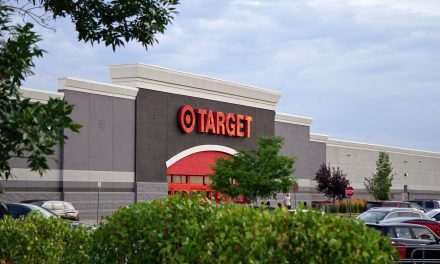
By contrast, several of the largest employers that normally move the aggregate totals have stayed quiet. Challenger notes Amazon has hired about 250,000 seasonal workers in each of the last three years and typically announces plans by mid‑October; at the time of the report Amazon had not disclosed a 2026 target, though it raised its minimum wage in mid‑September. Bath & Body Works — which has added roughly 30,000 roles in recent seasons — also had not announced plans. Target and Kohl’s remain actively hiring but have not published season‑wide totals this year; historically those chains have accounted for roughly 100,000 and 90,000 seasonal roles, respectively.
Why retailers are cautious — and what it means
Challenger’s chief revenue officer Andy Challenger frames the shift as deliberate risk management: retailers are assessing current headcount, prioritizing flexibility and avoiding overcommitment amid mixed consumer confidence, tariff concerns and elevated energy costs. “It’s more about restocking staffing plans surgically than a return to the 900,000‑plus seasonal hiring years we saw in 2020 and 2021,” he said.
For operators and marketers the consequences are concrete. Narrower seasonal hiring reduces the labor buffer available to handle spikes in store traffic and fulfillment volumes. That raises the importance of improving labor productivity, cross‑training frontline and warehouse staff, and optimizing schedules to cover peak windows without excessive overtime.
Marketing and promotions teams should factor those constraints into campaign design. Aggressive discounting or simultaneous national campaigns risk creating fulfillment bottlenecks and degraded in‑store experiences if operational capacity isn’t aligned with promotional cadence.
Not every indicator points to cooling demand: Challenger highlights a 1.2% uptick in August retail sales and Bureau of Labor Statistics preliminary data showing retail employment at about 15.47 million — roughly 63,000 higher year over year. Still, BLS figures often dip in September as younger workers return to school before Q4 hiring revives.
Immediate priorities for retail leaders
Operational teams should tighten demand forecasts, stress‑test fulfillment and store schedules, and finalize contingency staffing arrangements such as on‑demand pools, temp‑to‑hire pipelines and targeted peak incentives. Marketing should coordinate promotion timetables with confirmed labor plans rather than relying on historical season‑end bench strength.
Watch mid‑October for announcements from outsized employers: their seasonal targets historically move the aggregate total. Also monitor wage adjustments or labor‑policy changes that could shift the cost calculus for adding seasonal workers.
What to watch next: will the largest retailers match last year’s headcounts when they disclose plans, or will the “surgical” approach persist and compress available capacity across stores and distribution centers? The answer will dictate how aggressive retailers and their agency partners can be with promotions and fulfillment promises this holiday season.