
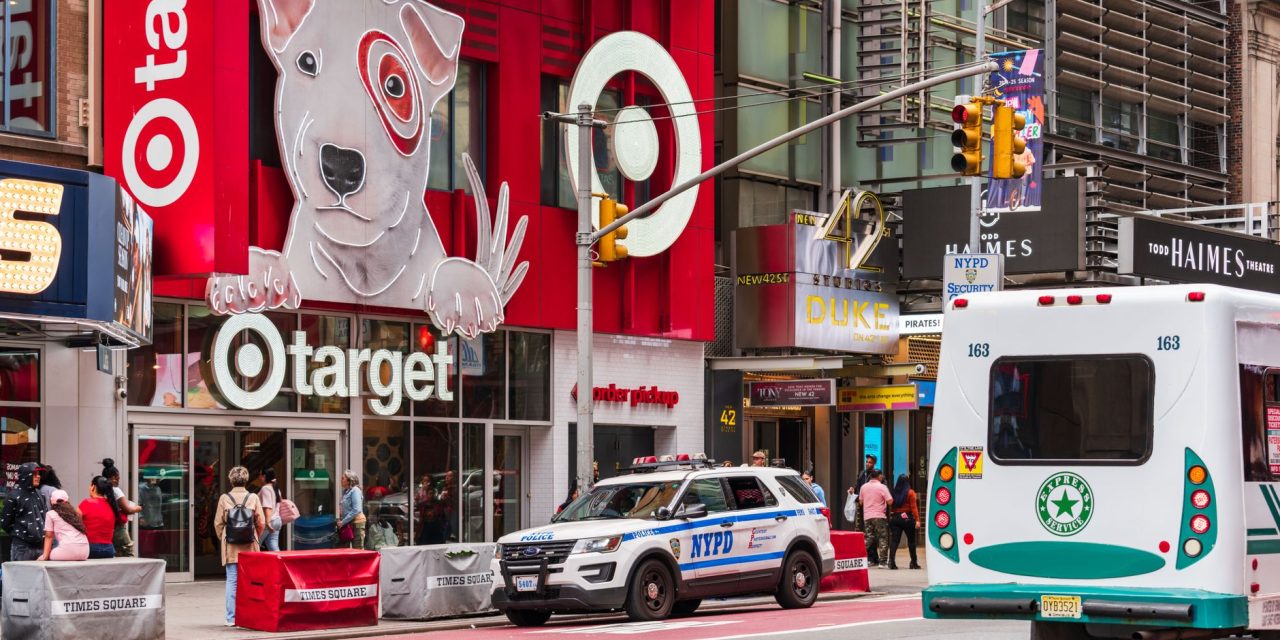
Target formally ended its shop-in-shop deal with Ulta Beauty this week, vacating roughly 600 Ulta footprints inside Target stores and handing control of premium merchandising, promotions and loyalty back to Target. For brands, agencies and competing retailers, the split rearranges where premium beauty is merchandised and how customer data and rewards will be routed.
What changed
The partnership concluded after a yearlong transition. Account linking between Ulta Beauty Rewards and Target Circle is no longer available; Ulta points earned from eligible Target purchases made before the split remain in customers’ Ulta accounts. Target plans to convert many former Ulta shop-in-shops into a new Target Beauty Studio format, targeting about 600 locations, though the company has not released a store-by-store rollout schedule or opening dates.
Target reported 2,002 U.S. stores as of May 2. The retailer’s first-quarter results signaled a healthy beauty business: net sales rose 6.7% year over year to $25.4 billion, and beauty sales grew about 9.5% to nearly $3.4 billion.
Why this matters to brands and competitors
Control over assortment, merchandising and loyalty mechanics is the immediate consequence. Running its own curated beauty environment lets Target determine which brands and price tiers it highlights, how displays are executed, and how beauty-specific promotions tie into its loyalty program. Analysts told industry press this could boost margins and give Target more flexibility to position premium and inspirational brands under its own architecture.
The market itself remains robust: data cited by analysts show both prestige and mass beauty grew about 7% year over year in the first half of 2026, with prestige at $17.1 billion and mass at $39.2 billion. That growth helps explain why mass retailers are investing in specialized merchandising and staffing instead of relying solely on specialty partners.
Operational and marketing implications
Loyalty integration and first-party data are immediate levers. Target has indicated it will fold beauty-specific rewards into Target Circle, creating an opportunity to centralize purchase data and shape repeat behavior. Expect Target to use loyalty-linked promotions to influence basket composition and frequency.
In-store experience will be a competitive battleground. The Beauty Studio is framed as a curated, experiential environment meant to replicate the inspiration customers previously found in Ulta shop-in-shops. Success hinges on execution: store design, staff training, sampling programs and a coherent mix of prestige and mass brands will determine conversion and average basket value.
Digital marketing and media plans must adjust. Brands that leaned on Ulta’s in-store promotions and marketing channels will need to renegotiate placements and promotional programs with both Target and Ulta. Agencies should expect fresh merchandising opportunities at Target and new media inventory from Ulta as each company prioritizes direct customer relationships.
Rival mass retailers are already responding. Walmart, for example, has expanded a specialized beauty associate role to hundreds of stores after a pilot — a sign mass chains see specialist staffing as a way to close the experience gap with beauty specialists.
Execution risks and timing
Timing matters. Target has not published a schedule for Beauty Studio openings, and the speed at which it replaces Ulta’s physical presence and brand assortment will shape near-term sales impact. Brands and retail partners should plan for a phased disruption as store-by-store conversions and merchandising changes roll out.
What brands and retailers should watch next
- Target Circle moves: Track the specifics of beauty rewards integration and any loyalty-driven merchandising rules.
- Rollout pace and mix: Monitor where and how quickly Beauty Studios open and whether Target favors prestige, mass or a blended assortment in different markets.
- Media and promo reallocation: Expect Ulta to redeploy media and promotional spend previously tied to Target; plan negotiations with both retailers accordingly.
- In-store execution: Test merchandising, sampling and staff training pilots to establish early wins where conversions matter most.
For marketing and merchandising teams, the practical next step is tactical: map current Target and Ulta placements, model potential shifts to basket composition under a Target-controlled experience, and open conversations now with both retailers about media, promotions and loyalty mechanics. The split refocuses competition around curation, experience and first-party customer relationships — and the brands that adapt fastest will shape how premium beauty sells in mass channels.