Microsoft is inserting ads into Bing’s AI answers, its new Discover feed and pre-game Xbox video — changes that expand where consumers encounter brands during research, discovery and play. For marketers running holiday or year‑end campaigns, those placements can put offers beside AI summaries, in a premium editorial feed and in front of engaged gamers; they also increase the need to steer automation and manage AI content disclosures.
Three new placements, no separate buys
Microsoft is rolling these placements into the campaign types advertisers already use, rather than requiring separate buys. That means reach can change quickly for existing Performance Max and AI Max campaigns.
Ads in AI Overviews on Bing. Bing’s AI Overviews synthesize content from across the web into concise answers. Microsoft says relevant ads can now appear alongside those AI-powered summaries, helping brands reach users as they move from questions to decisions. Ads in AI Overviews run through existing campaign structures — including Performance Max and AI Max — and are available in all markets except China.
Discover (Edge new tab and Windows). Discover is Microsoft’s AI‑curated content feed on the Edge desktop new tab and Windows. It presents a cleaner, more visual set of stories and videos organized into zones for breaking news, editor picks and personalized interests. Microsoft reports Discover shows 35% fewer ads per page than the older MSN layout and that ads in Discover have seen 35% higher viewability and 8–12% higher click‑through rates in early internal comparisons. Discover is live in the U.S., Canada, U.K., Australia and India.
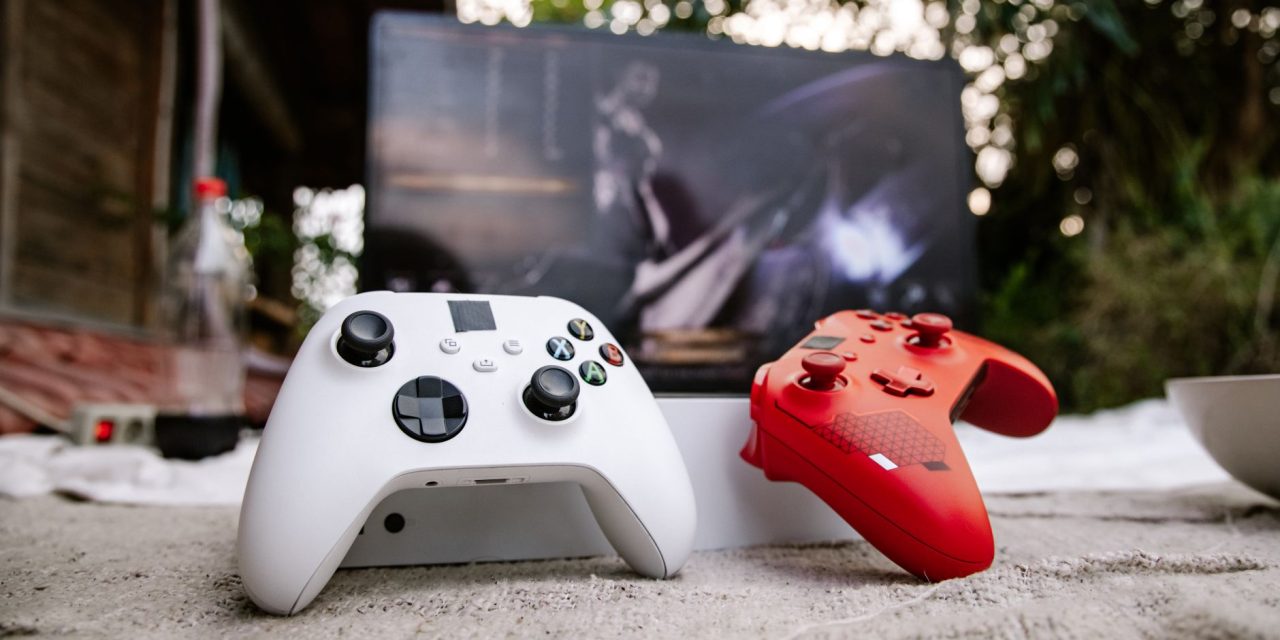
Xbox Video for Brands (pre‑game video). Xbox Video for Brands delivers full‑screen, non‑skippable video ads immediately before cloud gaming sessions. The format is positioned as an extension of premium video buys into gaming: ads play before a session and leave gameplay itself uninterrupted, making it an incremental way to reach a leaned‑in audience with standard video creative.
Controls and transparency for AI-driven campaigns
Microsoft paired the placement expansion with features meant to give advertisers more control and disclosure options as automation governs more creative and traffic decisions.
URL inclusions for AI Max. AI Max campaigns gain URL inclusion controls for final URL expansion. Advertisers can specify which parts of their site AI Max should use as landing destinations and as source material for ad text customization and search‑term matching. Microsoft gives the example of adding gift‑guide pages to holiday campaigns so automation can route relevant traffic and adapt copy from those pages. URL inclusions are rolling out now.
AI content transparency controls. Microsoft Advertising has made controls generally available that let advertisers declare when images or videos include AI‑generated content and, where supported, apply visible watermarks. These controls can be managed at scale via the Ads Studio Library and Microsoft Advertising APIs, and they cover multiple formats including Product Ads, Multimedia Ads, Audience Ads, Display Ads, Video Ads and assets used in Performance Max campaigns. Microsoft notes availability varies by format and placement and emphasizes advertiser responsibility for legal and disclosure obligations.
MCP server to query account data with AI assistants. The Microsoft Advertising Model Context Protocol (MCP) server connects AI assistants such as Copilot, ChatGPT and Claude to an advertiser’s account data. In open pilot since July, the MCP connection lets teams ask plain‑language questions about campaign performance, creative effectiveness, conversion tracking and policy checks without switching interfaces.
Autobidding upgrades and reported early performance
Microsoft reiterated recent autobidding upgrades it calls the largest in a decade. In its announcement the company reports advertisers using Maximize Conversion Value or Target ROAS are seeing about 10% more conversion value per click on average while maintaining similar ROAS, and that bids respond nearly twice as fast to target changes with smoother budget pacing. Those figures are based on Microsoft’s internal datasets.
What marketers should do next — practical steps
1) Audit campaign eligibility: check which existing Performance Max and AI Max campaigns are already eligible for AI Overviews and Discover placements so you understand incremental reach without new setups.
2) Add priority landing pages: use URL inclusions to steer AI Max traffic toward the pages you want customers to land on and to supply on‑brand text signals for automated copy.
3) Audit creative for AI generation: identify assets that include AI‑generated content and prepare appropriate declarations and watermarks where required. Treat platform controls as a tool, not a substitute for legal or policy responsibility.
4) Consider Xbox pre‑game for premium video tests: if you run connected TV or premium video, test Xbox Video for Brands as an incremental placement aligned with those creatives.
5) Evaluate MCP integration: if you use third‑party AI assistants, pilot the MCP server to surface account insights in natural language while monitoring data governance implications.
What to watch next: adoption and measurement. These placements increase the moments where AI surfaces answers and choices; the commercial value will depend on how broadly Microsoft serves ads in those moments and how effectively advertisers test and measure them against first‑party results. Also monitor local disclosure rules for AI content—they may affect labeling requirements and creative workflows.