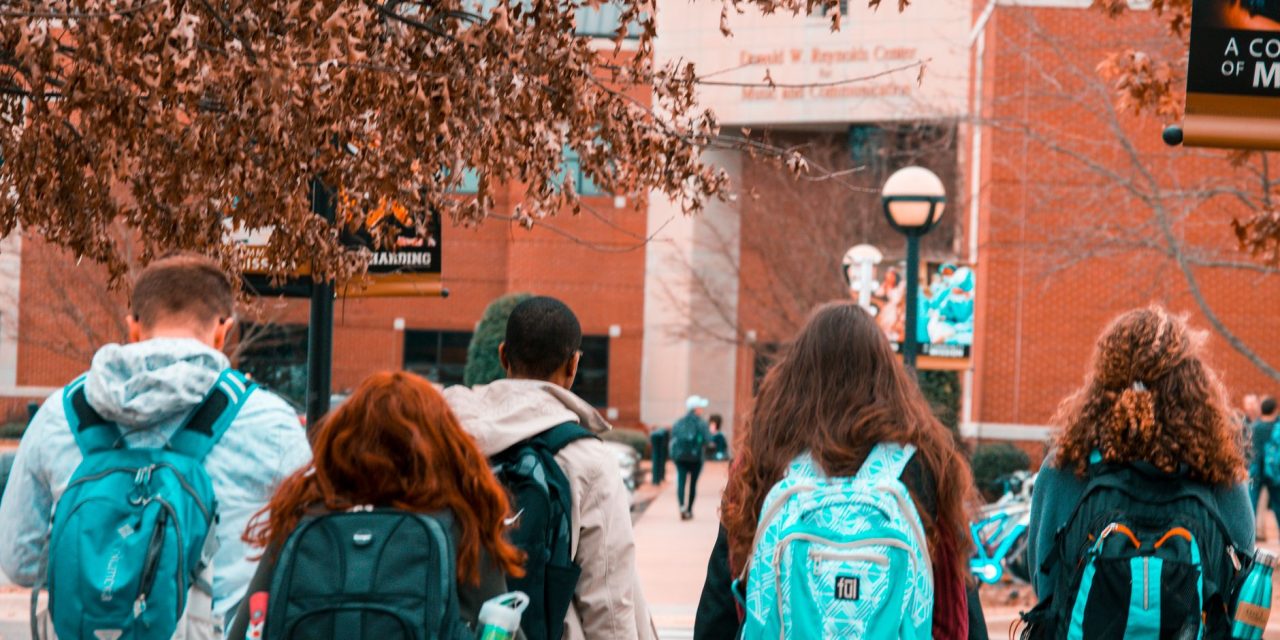
Amazon has placed more than 750 Amazon Locker pickup points on over 500 U.S. college campuses, the company said in an Aug. 11 announcement reported by Digital Commerce 360. The move folds last‑mile pickup into students’ daily routes — a design meant to cut delivery friction where young shoppers already travel.
Why campuses are a strategic fit
Lockers located near dorms, dining halls and academic buildings turn the final mile into a moment students can handle between classes or while grabbing a meal. Amazon framed the rollout around that convenience: “College students are constantly on the move, and picking up a package should fit into their day — not the other way around,” said Viraj Chatterjee, vice president of Amazon Transportation.
The user flow remains simple: students add a locker address to their Amazon address book, choose it at checkout and retrieve orders with a code, barcode or the Amazon Shopping app. Pickup is free; customers have three calendar days to collect items before the order is returned and refunded.
Operational benefits — and adoption limits
Campus lockers can relieve pressure on mailrooms and reduce time couriers spend inside residential buildings. Digital Commerce 360 cites early examples on campuses including Cornell, Georgia Tech, Michigan State, Montana State, Quinnipiac and the University of Portland. Past pilots date back to Amazon’s Locker experiments in 2011 and staffed campus pickup sites launched from 2015 onward.
Real‑world observations indicate meaningful operational gains. Boston College reported a single locker handled roughly 200 deliveries per month in its first quarter, bypassing the mailroom; a 2023 University of Washington field study found couriers spent about 50% to 60% less time inside a Seattle apartment building after a common‑carrier locker was installed, with the building manager estimating package‑related work fell dramatically.
But lockers don’t automatically win users. A U.S. Department of Transportation–sponsored review observed locker adoption generally sits around 10% to 20% even in mature markets. The principal barrier is behavioral: consumers must make the last trip themselves. Placing lockers along existing student routes is a deliberate response to that friction, but adoption will still vary by campus layout and student habits.
Capacity management and forecasting matter
Locker networks require active capacity control. Research cited in the announcement found earlier systems sometimes overallocated space to standard‑delivery orders, producing unnecessary rejections — about 20% of Locker requests were rejected in 2017, with up to 35% of those rejections avoidable. Amazon implemented machine‑learning forecasts and an optimization model that reserved space by shipping speed; researchers reported a 9% year‑over‑year Locker throughput increase during the 2018 holiday season after those changes.
For campus planners and fulfillment teams, the lesson is practical: scaling lockers is not just a matter of installing kiosks. Effective forecasting and allocation policies are necessary to turn hardware into consistent capacity and reliable customer experience.
What marketers and campus operators should watch
Amazon’s campus expansion sharpens a tactical option for brands and fulfillment teams targeting students: lockers can reduce doorstep complexity and concentrate deliveries where student foot traffic is highest — but only if lockers are sized and managed for local demand. Watch for whether Amazon discloses how many units were added in this round and for campus‑level usage rates; those metrics will show whether lockers shift behavior or chiefly reallocate operational work off campus mailrooms.
For campus services and retailers, the immediate task is operational alignment: map student flows, test locker siting near high‑traffic routes, and set realistic expectations about adoption. For brands, offer locker delivery as a checkout option and track conversion and return rates separately for that channel to see if it improves on‑campus fulfillment economics.