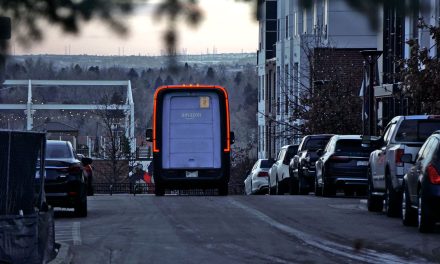
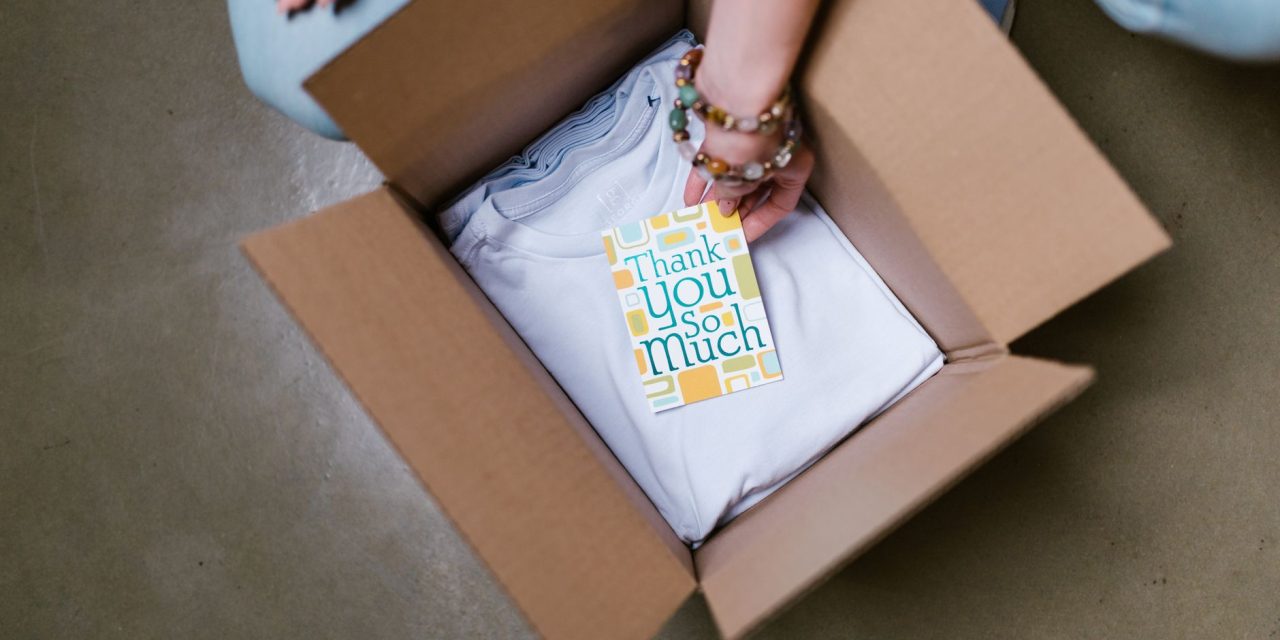
DoorDash used its Dash Forward event in San Francisco to move beyond food delivery and into reverse logistics, unveiling Dasher Returns — a home pickup service that takes returned items back to merchants’ physical stores. The company says a limited rollout is live now and that Dasher Returns will be available nationwide in November. For retail and operations teams, the product promises faster restocking and refunds — but also raises clear questions about cost, reconciliation and fraud controls.
How Dasher Returns works — the mechanics
DoorDash describes Dasher Returns as a flat-fee service that collects customer returns from their homes and delivers them to a merchant’s store. Customers can request an immediate pickup or schedule one; a Dasher accepts the job, retrieves the item and returns it to the retailer’s physical location. DoorDash says the service is rolling out in a limited number of cities today with broader availability planned for November.
DoorDash’s chief revenue officer told the audience the company expects roughly 80% of the retail orders it handles to be eligible for Dasher Returns by the end of 2026. The company positioned the service as a way to get returned inventory back on shelves faster and to shorten the customer’s wait for a refund, but it did not publish complete pricing, inspection or reconciliation details at the event.
New marketplace partners and the wider tech play
At Dash Forward DoorDash also added several established retail brands to its in-app marketplace: Anthropologie, The North Face, Timberland, Vans and Macy’s. Macy’s — which has used DoorDash for same-day and next-day fulfillment since 2020 — will now make its catalog searchable inside the DoorDash app. DoorDash will also participate in Macy’s 100th Thanksgiving Day Parade on Nov. 26.
The event highlighted multiple fulfillment experiments that DoorDash is coupling with its marketplace. The company showed an early-use rollout of DoorDash Air for select Chipotle and Popeyes orders, expanded deployment of its wheeled Dot delivery robots in Greater Phoenix (serving more than 2,000 store locations), and a slate of AI- and text-driven services: a corporate ordering product connecting AI agents to DoorDash’s system, a text-ordering waitlist, Ask DoorDash (a conversational shopping interface) and DashBuddy, an SMS chatbot for delivery workers.
What this means for retailers and logistics teams
Operationally, a last-mile returns pickup that deposits goods directly back into store inventory shortens the cash-to-shelf cycle. That matters for high-turn, seasonal and limited-stock categories where getting an item back on the floor quickly preserves resale value.
But merchants weighing Dasher Returns need answers on three practical fronts: cost, reconciliation and fraud prevention. DoorDash did not disclose the flat fee at Dash Forward, nor did it specify how returned items will be inspected or how refunds and inventory updates will be processed between DoorDash and retailers. Retail operations teams should seek clarity on exception handling, data handoffs, inspection standards and settlement timing before routing significant reverse-logistics volume to a third party.
From a marketing and commerce viewpoint, adding established retailers to DoorDash’s searchable marketplace creates another channel for same-day demand capture and product discovery — and potentially new inventory for paid placements or sponsored listings. That could incrementally shift impulse and urgent purchases into delivery apps rather than traditional ecommerce checkouts.
Practical next steps and what to watch
Retailers evaluating Dasher Returns should treat the announcement as an opportunity, not a commitment. Ask DoorDash for scoped pilots that include: explicit pricing and SLA terms; a written process for item inspection and exception handling at store drop-offs; data-transfer specifications for refunds and inventory updates; and fraud-detection measures tied to returns volume and refund windows. Negotiate short pilot periods with measurable KPIs on cost per return, time-to-refund and rates of resellable inventory.
What to watch next: the announced November nationwide rollout, the detailed pricing and reconciliation terms DoorDash publishes, and whether DoorDash’s drone, robot and AI pilots scale beyond early partners and test markets. If DoorDash can deliver predictable costs and reliable reconciliation, Dasher Returns could become a practical tool for retailers to compress return cycles — but execution will determine whether merchants gain speed without taking on new operational risk.