Polywood now generates roughly 75% of its sales online — not by discounting aggressively, but by linking checkout directly to a made‑to‑order factory that ships most orders within a week. That production model changes inventory risk, promotional math and how the brand times holiday activity.
Why customers buy outdoor furniture online
Ben Spiegel, Polywood’s CIO in 2025 who later became chief digital officer, says customers choose ecommerce because local stores often don’t carry the right color, size or available stock. For many buyers, the showroom remains discovery; the transaction moves online.
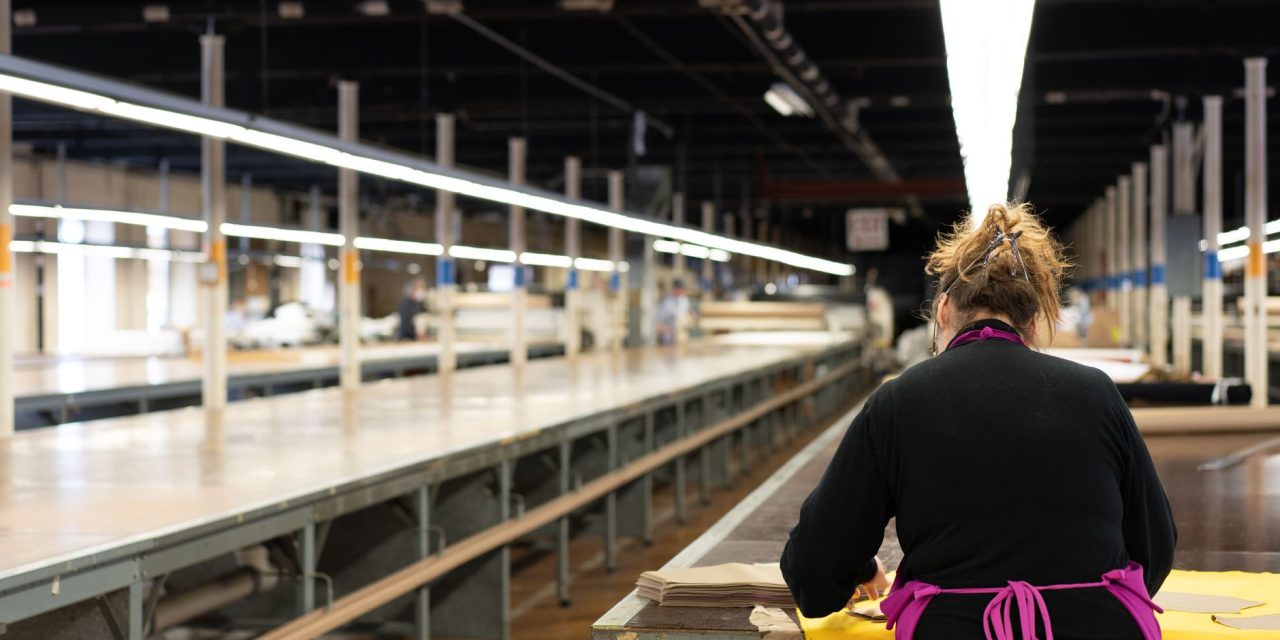
What enables that shift is Polywood’s vertically integrated, one‑piece‑flow manufacturing. Spiegel describes a checkout event triggering lumber to be moved, extruded, cut and packed. The company keeps roughly 5% of finished inventory on hand and typically ships orders in five to seven business days, allowing a broad assortment without large carry costs.
Seasonality and a cautious approach to discounts
About 80% of Polywood’s sales happen between Memorial Day and Labor Day, with May especially important. That concentration shapes the brand’s holiday playbook: during the Cyber 5 window Polywood generally avoids blanket discounts and instead offers faster shipping, limited‑run products or targeted promotions.
Marketplace events produce different dynamics. On Amazon’s Prime Day, traffic spiked but much of it was add‑to‑cart and comparison shopping rather than immediate checkout — unsurprising given Polywood’s average order value of roughly $1,600. For that reason the brand trims ad spend on some flash‑sale events and reserves deeper discounts for lower‑priced SKUs, while maintaining full price on higher‑ticket dining and deep‑seating sets during peak season.
Longer purchase windows and marketing shifts during big sale periods
During Cyber 5 in 2025, Polywood observed purchase windows lengthen to about 10–14 days from a typical seven. Customers added items earlier and waited for offers, creating a “stalking” pattern that required changes to conversion windows, email cadence and retargeting frequency.
To keep visibility in that extended consideration window, Polywood prioritizes reach, frequency and context relevance — notably working with social creators and influencer roundups (for example, “top five outdoor chairs for your winter yards”) which Spiegel said often outperformed pay‑per‑click during that period.
Regional timing and product mix matter
Polywood treats southern U.S. states as a “second season,” where outdoor living sales extend into winter. The company uses that seasonality to be more active around Black Friday and related shopping days in those markets.
Spiegel also noted different sensitivity by price tier: higher‑priced, higher‑income product lines were less affected by a softer consumer environment, while lower‑priced purchases showed larger declines.
What marketers and retailers should take from Polywood’s playbook
Polywood’s case highlights three practical implications for digital retail: a made‑to‑order, just‑in‑time model can expand assortment while reducing finished‑goods carry; high average order values change the ROI calculus for promotional spend and marketplace participation; and major sale periods can stretch purchase consideration, so retargeting, email and conversion‑optimization windows must adapt, not just the discount strategy.
Watch for whether other seasonal, high‑AOV categories adopt similar direct‑to‑factory fulfillment and whether extended purchase windows around large shopping events become the norm — both would affect media planning, on‑site UX and fulfillment expectations for marketers and operations teams.