
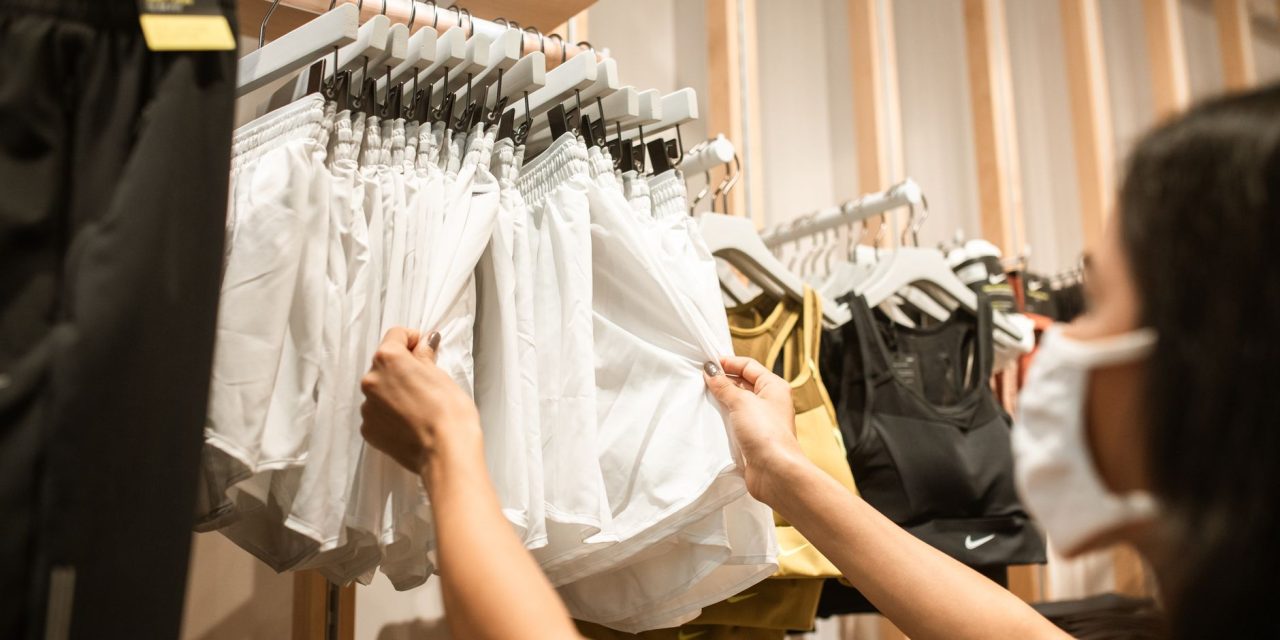
Fabletics is turning a revenue milestone into a tangible expansion: after surpassing $1 billion in net revenue, the digitally native athleticwear brand will open 45 new stores over the next year — roughly 25 in the U.S. and up to 20 internationally — while targeting new markets including India, the United Arab Emirates, Colombia, Peru and parts of Central America.
What Fabletics announced and why it matters
The El Segundo, California–based company framed the rollout as part of a broader 2026–2027 strategy. Fabletics currently operates more than 135 retail locations worldwide and sells online in the U.S., Canada and Europe. In its announcement the brand reported three consecutive years of double-digit same-store sales growth and set an ambitious target to double revenue and quadruple EBITDA over the next five years.
Executives positioned stores as complementary to their growing international e-commerce and wholesale channels. CEO Adam Goldenberg said retail “has become an increasingly important growth driver” for the business; President Meera Bhatia added the company will take a “disciplined approach” to market entry, leaning on local expertise while preserving a consistent brand experience.
What this signals for marketers and retailers
For digitally native apparel brands, Fabletics’ move is a reminder that physical outlets still play strategic roles: customer acquisition, brand experience and higher-margin in-person sales. The company’s reported same-store strength suggests confidence that its U.S. retail model can scale — but international rollout raises different operational and marketing questions.
Successful expansion will demand more than site selection. Teams will need locally tailored marketing, pricing and inventory strategies, plus fulfilment and partnership models that reflect each market’s logistics and competitive landscape. Markets named in the announcement — India and the UAE among them — present different consumer expectations and incumbents than North America, so localization will drive results.
Product strategy and category diversification
The push coincides with a broader product strategy. Fabletics has extended beyond activewear into casualwear, medical scrubs and, most recently, a gender-inclusive denim collection. That mirrors a wider sector trend: athleisure brands are broadening assortments to capture more of customers’ wardrobes and lifetime value.
Operational tests and metrics to watch
Expanding across multiple countries will test Fabletics’ supply chain, wholesale relationships and ability to deliver a consistent in‑store experience while adapting assortments. Because the announcement comes from the company, independent confirmation of long‑term results will matter for assessing whether the five‑year financial targets are realistic.
Brands and retail teams tracking this rollout should monitor a concise set of KPIs: new‑store sales versus online uplift; customer acquisition cost at physical locations; local e‑commerce conversion after store openings; and inventory turns for categories newly introduced in-market, such as denim. Those metrics will reveal whether stores are fueling profitable growth or primarily serving as marketing touchpoints.
What to watch next
- Early sales performance from the new stores and how quickly they reach payback.
- Local e‑commerce traction in India, the UAE, Colombia and Peru following openings.
- How assortments and pricing are adapted for each market and whether that improves conversion and retention.
- Supply‑chain strain or wholesale partnerships that either enable or constrain local inventory breadth.
For marketers and retail operators, the practical takeaway is straightforward: treat stores as integrated investments. If executed well, physical locations can extend reach, feed assortment decisions and lower overall customer acquisition costs — but only when product, local marketing and fulfillment align with the market’s realities.